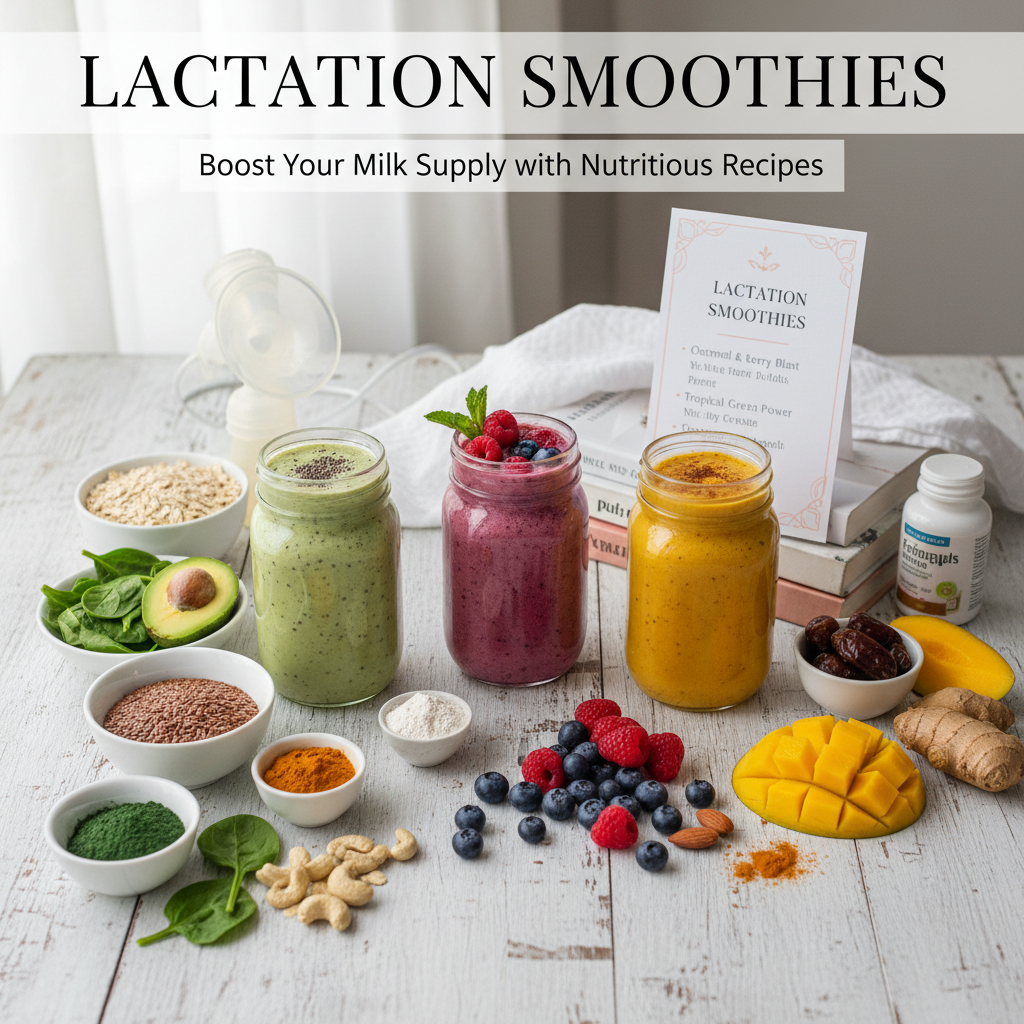
Lactation Smoothies: Boost Your Milk Supply with Nutritious Recipes
Lactation Smoothies: Boost Your Milk Supply with Nutritious Recipes
If you're a breastfeeding parent struggling with low supply, mastitis recovery, or just burnt out by endless advice, you're in the right place — this guide cuts through the noise with practical lactation smoothies that actually help increase milk supply and fit into a busy breastfeeding diet. We show specific recipes, explain why certain superfoods for lactation work, and offer easy substitutions so you can pick the right plan for your needs (and yes, our team can step in to customize a plan if you'd rather skip recipe testing yourself).
Which lactation smoothie should you pick?
So here's the thing about smoothies: they can be quick calorie bombs, or concentrated nutrition that supports milk production, recovery, and energy. Below I compare four reliable options — choose by goal: convenience, max galactagogues, dairy-free, or postpartum recovery. Learn more about postpartum recovery.
1. Quick Grab: Oat + Banana Lactation Smoothie (fast, everyday)
Best if you need something you can make in 3 minutes between feeds. Simple, filling, and supported by oats — a common galactagogue.
Ingredients
- 1 cup rolled oats (cooked or soaked), 250 ml water or milk
- 1 banana
- 1 tablespoon flaxseed meal
- 1 tablespoon almond butter
- 1 cup milk or fortified plant milk
- 1 teaspoon honey or maple syrup (optional)
Why it helps: oats provide iron and beta-glucan which some studies and lactation counselors link to increased prolactin and milk volume. Flaxseed adds omega-3s and fiber.
2. Max Galactagogue: Fenugreek + Brewer’s Yeast Power Smoothie
Choose this when you're actively trying to increase milk supply. Use for short stretches (2-4 weeks), then reassess.
Ingredients
- 1 cup oats
- 1 tablespoon powdered brewer's yeast
- 1 teaspoon fenugreek powder (or 3 crushed seeds)
- 1 cup Greek yogurt or soy yogurt
- 1 cup berries
- 1 cup water
Pros: brewer's yeast supplies B vitamins and has anecdotal support for lactation; fenugreek has the strongest clinical evidence for increasing supply in many parents (but can change taste and cause body odor, so test low dose first).
Cons: fenugreek can lower blood sugar in some people and is not recommended if you’re on anticoagulants or pregnant again. Talk to your healthcare provider if you have thyroid issues.
3. Dairy-Free / Vegan Lactation Smoothie
Good if you suspect baby has dairy sensitivity, or you're vegan. Plant proteins and caloric density matter here.
Ingredients
- 1 cup fortified oat milk (or almond milk)
- 1/2 cup silken tofu or 1 scoop pea protein
- 2 Medjool dates (pitted)
- 2 tablespoons ground flaxseed
- 1 cup spinach
- 1 tablespoon almond butter
Notes: dates add natural sweetness and iron; tofu or pea protein keeps calories and protein high — both important for consistent supply.
4. Postpartum Recovery Smoothie (iron + calcium + inflammation support)
Pick this after delivery or if you're recovering from anemia or heavy bleeding. Think nutrient repletion, not just galactagogues.
Ingredients
- 1 cup cooked beets (or 1/2 cup beet juice)
- 1/2 cup oats
- 1/2 cup plain Greek yogurt
- 1 tablespoon chia seeds
- 1/2 cup blueberries
Why: beets and blueberries supply antioxidants and iron-supporting nutrients, while yogurt provides calcium and protein for bone health (and milk production).
How these superfoods for lactation actually work
Look, you can read a dozen headlines about "magic foods", but food supports lactation through calories, protein, hydration, and sometimes hormone-modulating compounds. Below I explain the main players (and what to watch for).
Oats
They supply 150 calories per cup cooked plus iron and fiber. Many lactation consultants report improved milk volume after adding oats daily (my observation: parents who consistently eat 1 cup oats a day often report measurable increases within 7-10 days).
Fenugreek
Best evidence among herbal galactagogues. Start with 1 teaspoon powdered fenugreek per day and increase slowly. Some people get sweating or maple-syrup smell (weird, but true). Not for everyone, check with your provider if you have diabetes or thyroid disease.
Brewer’s yeast
Provides B vitamins and chromium. Add 1 tablespoon to smoothies for a nutritional boost; tastes somewhat malty, so pair with chocolate or banana.
Flaxseed, chia, almonds
Omega-3s, calories, and protein. These help overall milk quality and satiety — which keeps you eating enough calories, and that's crucial to sustain lactation.
Practical tips to actually increase milk supply with smoothies
- Drink 1 smoothie (300-500 kcal) daily as part of a breastfeeding diet that includes 500 extra calories above pre-pregnancy needs (talk to your clinician for exact targets).
- Hydration matters. Have 500 ml water before or with your smoothie — milk synthesis uses fluid.
- Pair smoothie use with frequent nursing or pumping: supply follows demand. If you're pumping, aim for 8 sessions per 24 hours for a week to stimulate production.
- Track signs: more wet diapers, softer baby stools, and weight gain over 1-2 weeks are practical metrics.
- If using herbs like fenugreek, test for side effects for 3 days at a low dose before regular use.
When to get professional help
If your baby is losing weight, your supply drops suddenly after an illness, or you're seeing fewer than 6 wet diapers per day by day 5, call a lactation consultant or your pediatrician. Our team can help assess latch, pumping technique, and create a personalized nutrition plan (if you want, we'll build sample grocery lists for 7 days so you don't have to think about it).
Frequently Asked Questions
Do lactation smoothies really increase milk supply?
Yes, they can help — but they're not magic. Smoothies that add calories, protein, and galactagogue ingredients like oats, fenugreek, and brewer's yeast support supply, especially when combined with frequent nursing or pumping. Expect changes over 5-14 days, not overnight.
How many smoothies should I drink each day?
One well-balanced smoothie daily is a good start. If you need extra calories, two can work, but focus on total daily calories and protein. If you drink fenugreek-containing smoothies, avoid high frequency without provider guidance.
Can my baby react to the ingredients?
Yes, sometimes. Fenugreek can change breast milk smell (and rarely, baby urine smell). Dairy in mom's diet can cause fussiness in babies with true milk protein intolerance. If you notice more spit-up, rash, or diarrhea, stop the suspect ingredient and consult your pediatrician.
Any safety issues with herbs like fenugreek?
Fenugreek can interact with blood thinners and lower blood sugar. If you have diabetes, a bleeding disorder, or are planning pregnancy again, talk to your healthcare provider before using it regularly.
Where should I start if I'm overwhelmed?
Start simple: one oat + banana smoothie every morning for 7 days, hydrate, and increase nursing or pumping frequency. If supply doesn't budge, book a lactation consult — our team can help with hands-on assessment and a targeted nutrition plan (we'll even text a grocery list so you can hit the store fast).