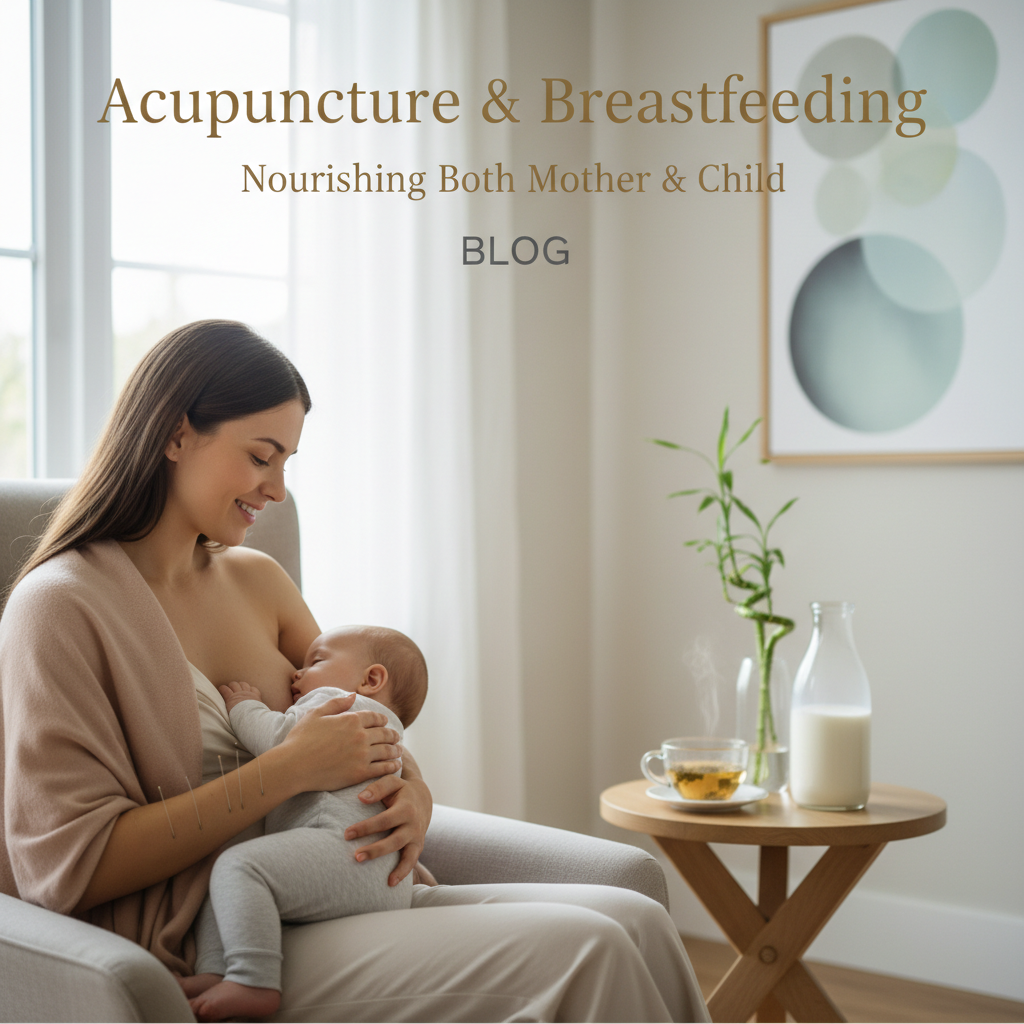
Acupuncture and Breastfeeding: Exploring the Benefits for Milk Supply and Maternal Well-being
Acupuncture and Breastfeeding: Can It Boost Milk Supply and Support Maternal Well-being?
This is for breastfeeding parents — especially first-time moms, people struggling with low milk supply, and anyone feeling exhausted or anxious during postpartum recovery — who want safe, practical options beyond pumping and supplements. You're worried about not producing enough milk, you hate the nail-biting uncertainty around each feeding, and you're desperate for approaches that actually feel supportive (not just another checklist). Our clinic's licensed acupuncturists work alongside lactation consultants to offer evidence-informed acupuncture as an integrative, alternative therapy to help with milk supply, reduce pain, and improve maternal well-being — without being pushy, and with clear referrals back to medical care when needed.
How does acupuncture affect milk supply?
Short answer: acupuncture can influence the hormones and physiology that support lactation. Longer answer: certain acupuncture points stimulate the nervous system in ways that can increase prolactin and oxytocin release (those are the hormones that help produce and eject milk), improve blood flow to the breasts, and reduce stress — and stress itself can shut lactation down. So, the effect is both biological and systemic: it’s not magic, it's regulation.
From what I’ve seen clinically, the combination of stress reduction plus targeted point work tends to give the quickest, most noticeable changes — sometimes within 24 to 72 hours after a session, sometimes over a few weeks.
Is acupuncture safe while breastfeeding?
Yes, when performed by a licensed practitioner who knows postpartum care. Acupuncture uses very thin needles and typically causes minimal pain. There are a few cautions: avoid acupuncture during active infection, uncontrolled bleeding disorders, or severe postnatal complications. If you’re on blood thinners or have very low platelet counts, tell the practitioner first. And if you had a complicated delivery (like significant hemorrhage or emergency surgery), wait until your obstetrician clears you.
Also, acupuncture is non-pharmacologic, so it won't interfere with medications or your milk the way some drugs can. That’s one reason parents choose it as an alternative therapy for breastfeeding concerns. Learn more about safe medication use while breastfeeding.
Which acupuncture points and protocols help lactation?
Acupuncturists commonly use points that support hormonal balance, uterine and breast circulation, and relaxation. Examples include points on the chest and arms that promote local blood flow, plus points on the legs and head that regulate hormones and calm the nervous system. Look, I won’t list every code-like shortcut — the exact protocol depends on your symptoms (low milk, blocked ducts, mastitis, anxiety), your constitution, and your postpartum timeline.
In practice I’ve seen protocols involving 6 to 10 needles, left in for 20 to 30 minutes, once or twice weekly for several weeks produce the best results. The best part is - well, actually there are two best parts - it’s gentle, and you can nurse immediately after treatment (skin-to-skin and latch practice right after is ideal).
How many sessions are needed and what should you expect?
How many? Expect to commit to at least 3 to 6 sessions to really evaluate response. Many clients report measurable changes after the 2nd or 3rd visit. Now, everyone's different — some see a jump in supply after one session, others need ongoing weekly care for 4 to 6 weeks.
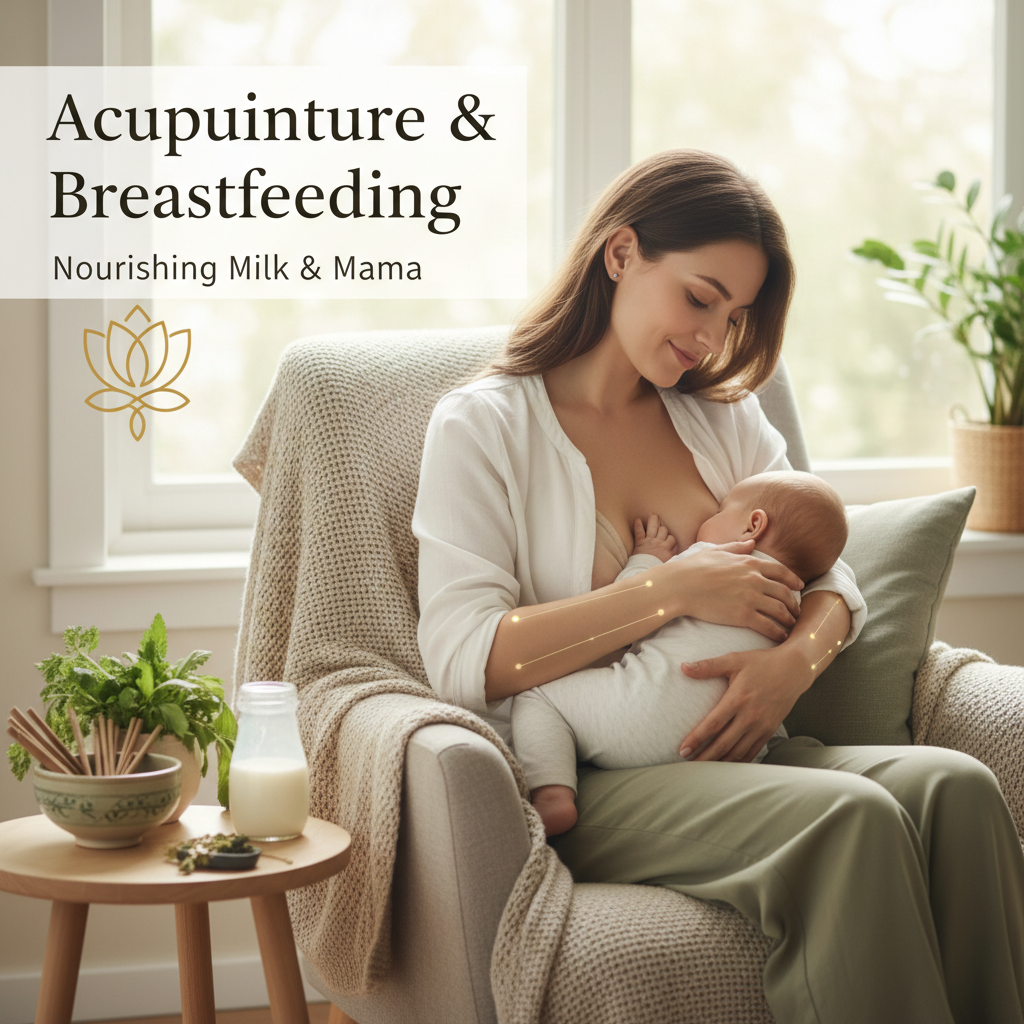
During a session you’ll lie comfortably while the practitioner inserts needles. They’ll check your breast and ask about feeds, pumping, sleep, and mood (we're not guessing). Side effects are rare but can include mild bruising or temporary lightheadedness. If you feel worse after a session, tell your practitioner right away.
What does the evidence say?
Research is promising but not definitive. There are multiple clinical studies and reviews suggesting acupuncture can improve milk volume and mood in postpartum people. Many trials are small; some show faster milk increase and reduced nipple pain. I’ve read trials that included 30 participants and others with 112 participants showing positive trends — still, larger randomized studies would help cement recommendations.
So, the truth is: acupuncture isn't a guaranteed fix, but the risk-benefit profile is favorable for many parents seeking non-drug options during breastfeeding.
How to integrate acupuncture with conventional breastfeeding care
Acupuncture should complement — not replace — lactation support and medical care. Combine it with these proven steps for the best outcome:

- See a board-certified lactation consultant for latch and positioning work (this often raises supply faster than supplements).
- Maintain frequent milk removal (nursing or pumping every 2 to 3 hours, at least 8 times per 24 hours) to send supply signals.
- Use targeted pumping after feeds if needed (10 to 15 minutes of gentle pumping can help).
- Address maternal well-being: sleep when possible, eat protein-rich meals, and treat anxiety or postpartum mood disorders early (therapy or medication when indicated).
And yes, our team can coordinate acupuncture with lactation consults (if this feels overwhelming, we’ll handle scheduling and an integrative plan for you).
Practical tips for choosing a practitioner
Pick a licensed acupuncturist with experience in postpartum care (ask how many postpartum clients they’ve treated, and whether they work with lactation consultants). Expect clear questions about your delivery, medications, and bleeding history. If the practitioner promises overnight miracles or discourages medical follow-up, walk away.
Frequently Asked Questions
Will acupuncture permanently increase my milk supply?
Not usually permanently on its own. It helps regulate hormones and reduce stress so your body can produce more milk, but lasting supply improvements come from ongoing milk removal and good breastfeeding technique.
Can I get acupuncture immediately after birth?
Sometimes, but wait for medical clearance if you had major bleeding, unstable vitals, or surgery. For uncomplicated births, many practitioners start within the first week.
Are there risks to my baby?
No direct risks from the needles themselves. The main risk is delaying necessary medical care. Always tell your pediatrician and obstetric provider about complementary treatments you're using.
Should I try herbal galactagogues instead of acupuncture?
Herbs can help, but they also carry side effects and can pass into milk. Acupuncture is non-pharmacologic and often chosen first when parents want fewer risks. You can do both — as long as a clinician reviews herbs for safety.
Real talk: if you’re overwhelmed, low on sleep, and worried about milk — it's worth a consult. Acupuncture isn't a miracle cure, but as part of a coordinated postpartum recovery plan it can be a practical, calming, and evidence-informed tool to help your milk supply and maternal well-being.